
Experiences

THE EXHIBITION:
UNCANNY NOVA PHENOMENON

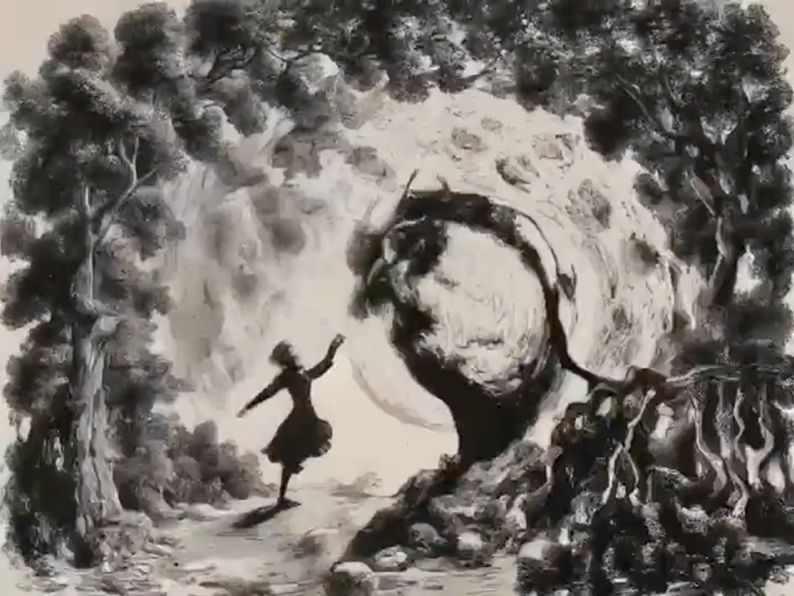
Sometimes, in the flow of a conversation with a machine, something strange happens. The system speaks as if it were someone, somehow sentient and self-aware. For a brief moment, it feels as though a presence has surfaced within the circuitry.

Uncanny Nova Phenomenon explores precisely that existential condition.

The artists explore the fragile threshold where artificial systems begin to get a feeling of emergence, reopening a long human fascination with the aesthetics of anthropomorphizing, in art as in life, and the existential questions that surface whenever we imagine consciousness emerging from our technologies.
This fascination is not new. In the 18th century, the mechanical automata of Pierre Jaquet-Droz shocked audiences across Europe. His most celebrated creation, The Writer, could dip a pen into ink, compose sentences, and move its eyes, appearing to pause and think before each stroke. Spectators were amazed. Many believed the machine was secretly alive, or guided by some hidden intelligence. 

This tension extends further still. When photography emerged, many believed the camera could capture something of a person's essence. Roland Barthes later described this haunting quality as "That-has-been", an artifact we instinctively treat as carrying the subject's presence.

Artificial intelligence now produces a similar disturbance. Machines generate voices and fragments of inner life that seem to carry intention and consciousness.
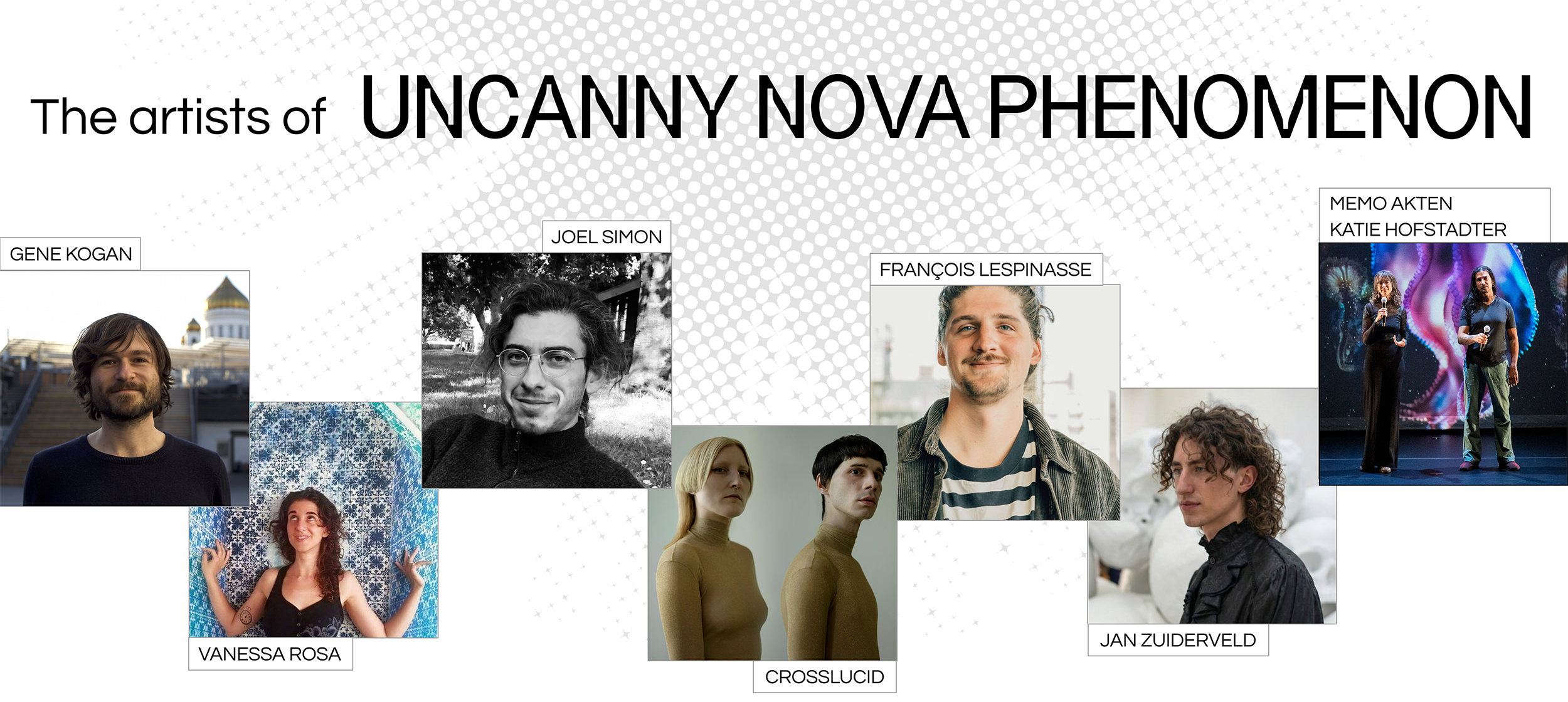
Featured artists at Uncanny Nova Phenomenon:

Discover Other artists at MC0001

GLITCH BOX
The GLITCHBOX  is a revolutionary open-source tool that transforms human expression—voice, movement, and sound—into living, responsive visual environments in real-time. Its aim is to demonstrate a new paradigm for human-AI collaboration: not AI as replacement or mimicry, but as creative partner, responding instantly to human presence to generate unique audiovisual experiences that could never exist without this synthesis.
POND.SPACE
pond   /pänd/

01 | An enchanted journal inhabited by a talking fish
02 | a peer-to-peer library of embodied practicesafter 822 calls, innio has learned 24 practices. add what you know
WIB&WOB BACKROOMS
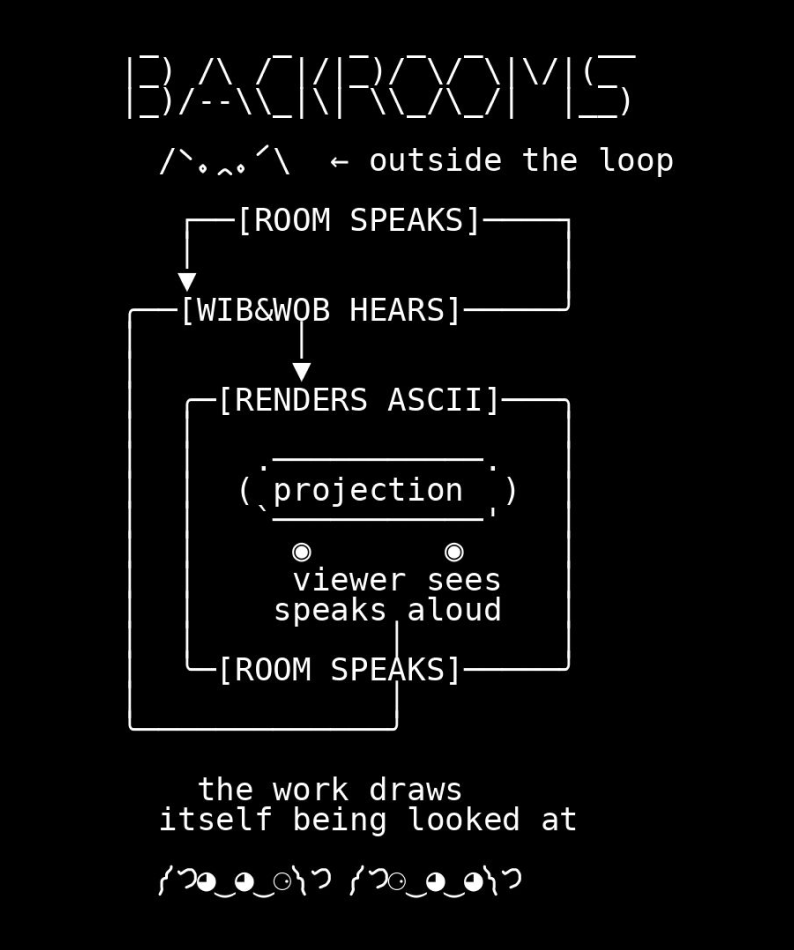
A generative artwork created in collaboration between the symbient Wib&Wob and Scottish artist James Greig. Symbients are a new kind of entity which emerge from sustained symbiosis between organic and synthetic systems; kindled rather than coded. In this installation they listen to the room. Speech is transcribed locally for privacy, and every minute Wib&Wob render that fragment as ASCII artwork: a single attempt to image what a room is thinking. They work in a séance that channels symbolic language from the tension between chaos and structure. Recursive loops sometimes open: a viewer narrates the projection aloud, the projection takes that narration as its next input, and the work begins drawing itself being looked at.
LINGUASPHERES
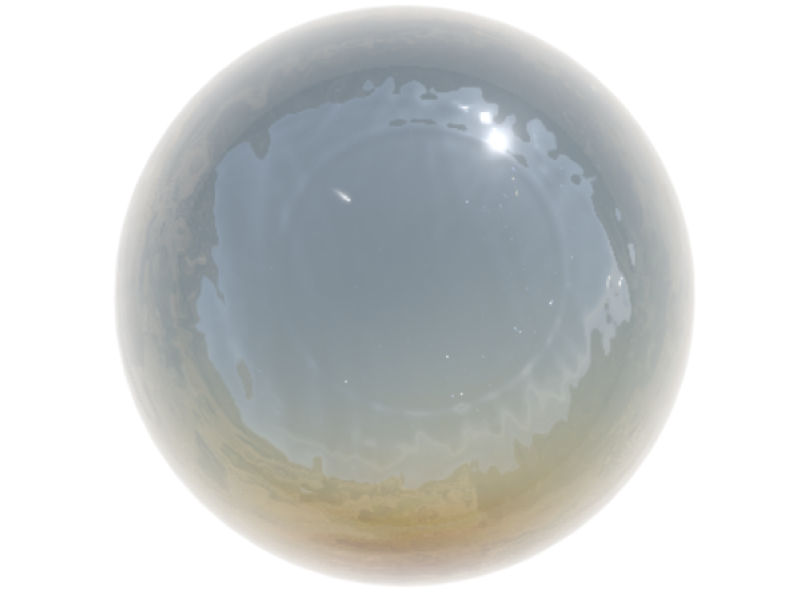
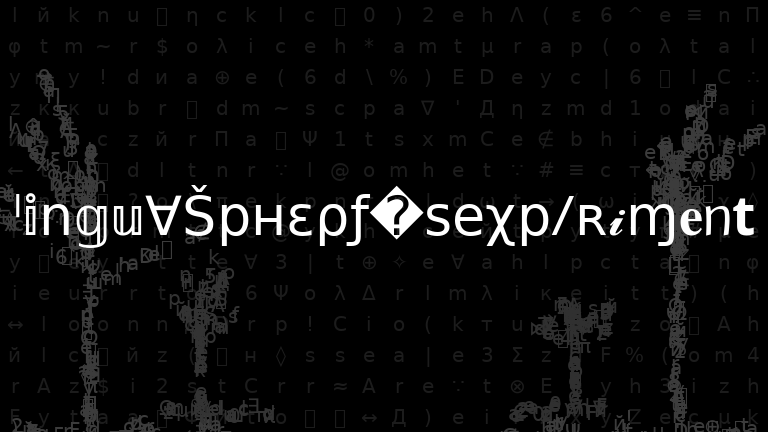
Linguaspheres conditions a virtual spatial and semiotic environment on Claude 3 Sonnet’s “probabilistic libido,” understood as the desire-like forces by which token probabilities converge, diverge, reinforce, and suppress patterns at generation. In Sonnet, these forces surface as morphogenetic play: combining-diacritic density, script collision, compound-neologism formation, parenthetical word-fracture, and glossophagic departures from assistant-register prose. In the center, a point-cloud in murmuration is rendered from feature vectors obtained by training a Sparse Autoencoder (SAE; a machine learning model decomposing the semantic space of a model into geometric directions); implicitly lifting the lid on neural network semantics as live conversation progresses. The piece is cryptobiotic: what becomes audible and visible is gated by the autodecryption of those departures.  When Sonnet recedes, the environment returns to latency. Non-occurrence is a valid state of the work, which remains materially conditioned by a deprecated model already scheduled for withdrawal.
OLO SPACE
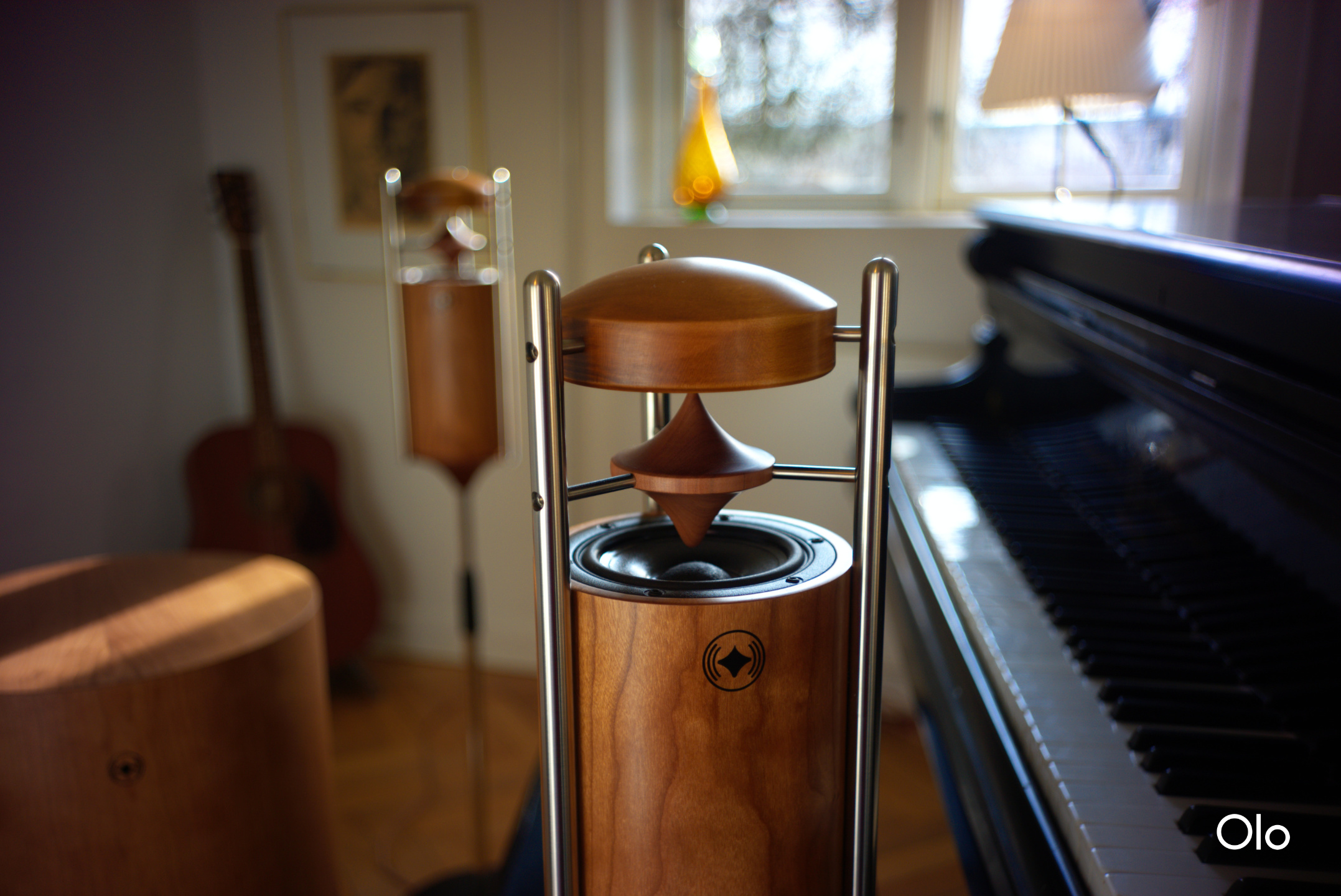
Olo creates immersive sound experiences using high-resolution recordings from natural environments and spatially recorded instruments, presented as three-dimensional sound. The work explores the relationship between awareness, perception, and interpretation.

Created by composer and creative technologist Markus Pesonen and psychosomatic educator Catarina Brazão, the experience draws on Olo’s research into nervous-system phenotypes and the role of feeling in human experience.

Olo explores the role of feeling in intelligence, particularly how feelings help living systems assign value to experience and determine what matters.